An ICEy 2025: What We Learned About Modern Immigration Enforcement in K-12 Schools
At the beginning of 2025, President Trump’s administration rescinded a policy that prohibited Immigration and Customs Enforcement (ICE) and Customs and Border Protection (CBP) enforcement at sensitive locations, like schools.
This declaration came amongst a flurry of executive orders and press releases in the first 90 days of office, causing a general sense of confusion over legal requirements and, well, some panic.
Early in January 2025, Imprint Legal Group answered dozens of calls and emails from schools preparing for immigration enforcement at K-12 schools. Principal Street podcast’s Special Report: How Teachers and Administrators are Handling the New Mass Deportation at Schools asked Imprint for thoughts:
At the time, we discussed Plyer v. Doe (the 1982 Supreme Court case that allows all children, regardless of their immigration or citizenship status, to attend public school where they live); FERPA (which protects children’s personally identifiable information, unless exceptions apply); and the crucial difference between a judicial warrant and immigration warrant. Jessica Heiser warned, “There’s going to be a lot to figure out here as we see what this administration does.”
Luckily, at the start of 2026, we know a lot more.

We now know ICE targets adults near school property more than children on school property. Initial fears were that ICE agents would come into schools, pulling students out of class and traumatizing teenagers. That’s been rare thus far.
The more common ICE action has been waiting outside schools to conduct swift arrests of parents dropping off or picking up their kids.
This approach causes significant disruption to school operations:
Children not showing up to school at all, afraid to leave home;
Children unexpectedly not picked up at the end of the school day;
Immigrant parents skipping IEP team meetings or parent-teacher conferences; or
Immigrant parents sending other people to drop off/pick up their kids who may be someone the school doesn’t know.
Schools can address some of these fears by ensuring that immigrant parents have a Delegation of Parental Authority (DOPA, pronounced as “dough-pa”), Power of Attorney, or Temporary Guardianship form submitted with the school. All of these are legal documents that allow parents to temporarily delegate the care and decision-making about their children to another adult.

2. Location, location, location: We now know that your specific location is very important. In 2025, immigration enforcement was targeted in two distinct places:
(1) More low-press, ongoing enforcement in “redder” areas with local laws that mandate cooperation between local law enforcement and federal officers (making enforcement easier for ICE agents), like Indiana, Georgia, and Tennessee; and
(2) High-press, short-term, high-intensity enforcement in “bluer” areas or “sanctuary cities” for maximum attention, like Chicago, Portland, Los Angeles, and Minneapolis.
If your state has statutes that mandate cooperation with federal law enforcement, such as Indiana Code § 5-2-18.2-4, you are more likely to get in trouble with the state authorities for giving less than 1000% cooperation with ICE agents (see Indianapolis Public Schools).
On top of state statutes, if your state and local law enforcement (like the county sheriff) enters into a 287(g) agreement with ICE, local law enforcement can enforce immigration law on the streets or during routine police work, like traffic stops. These agreements reduce any differentiation between local police and federal agents when someone in a uniform seeks student information.
On the other hand, some states and localities have “sanctuary laws,” such as the City of Minneapolis’ ordinance, which prohibit any city authorities from cooperating with ICE agents. School staff in those locations are “doubly supported” by FERPA’s prohibition on releasing students’ personally identifiable information and local laws.
In short, although we’re talking about federal law enforcement, it varies greatly depending on your state and county.
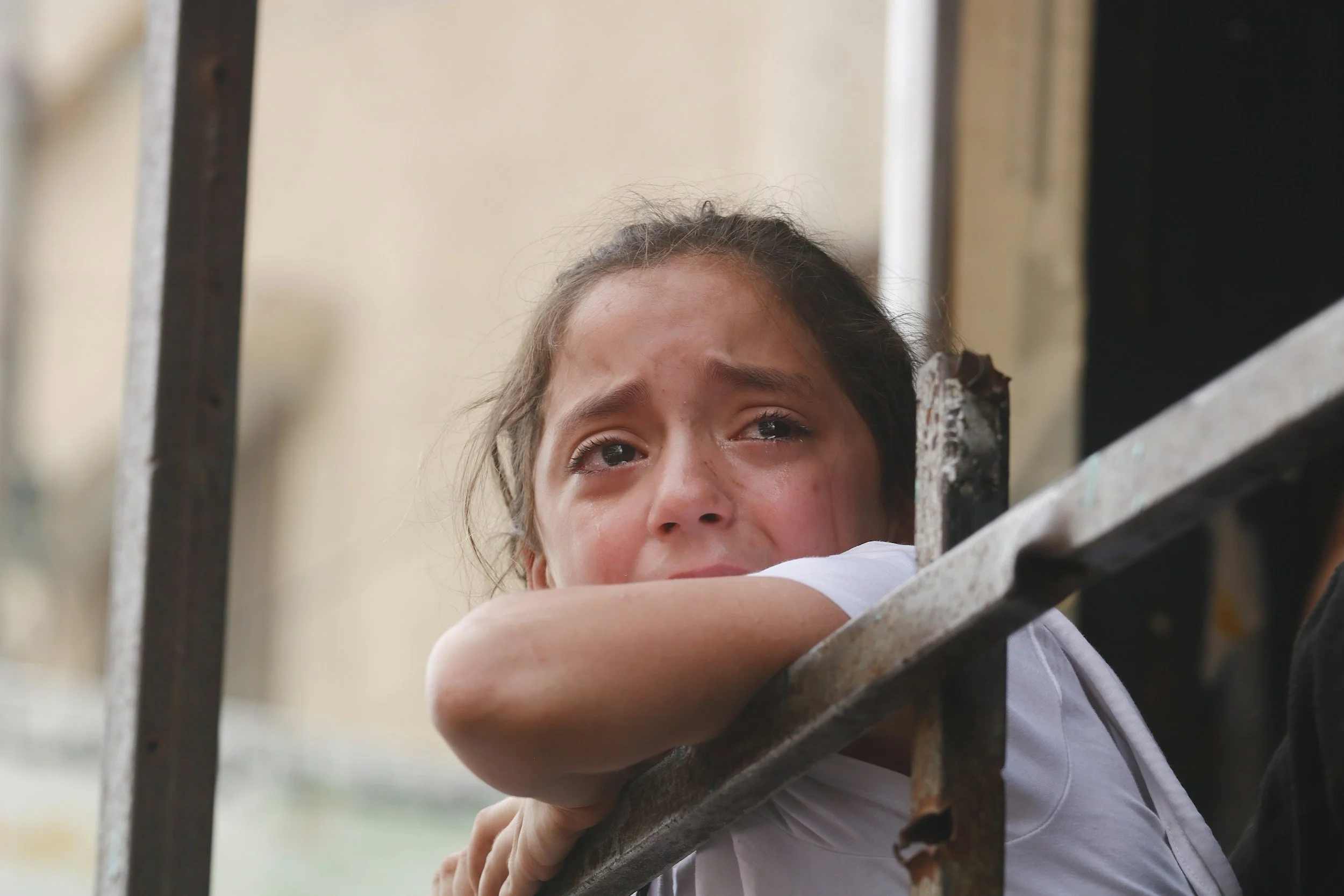
3. We now know that children are feeling anxiety, depression, and fear. In addition to the 733,000+ undocumented children ages 3-17 enrolled in school, at least 4.4 million U.S.-born children live in mixed-status households with at least one parent or family member who is undocumented.
School staff have reported upticks in absenteeism, anxiety, distraction, and mental health concerns with the 2025 immigration enforcement efforts.
In addition to providing comprehensive supports to children with mental health concerns (including evaluations for Section 504 or IEPs, if appropriate), schools should ensure that all children, especially those who may have immigrant parents, have updated emergency contact information, including DOPA, Power of Attorney, or Temporary Guardianship forms if applicable.
Schools should encourage attendance with direct reach-outs to families who may be affected. Immigrant families may be hesitant to send their children to school, but equally fearful that absenteeism will result in being “reported” to Child Protective Services or law enforcement. School staff must tread carefully with respect for the family’s concerns, emphasizing the need to keep the child educated in whatever way is possible.
Imprint Legal Group advises schools and businesses on legal compliance and inclusive cultures. We specialize in civil rights laws (disability, race, ethnicity, gender, sex, etc.) that apply to K-12 schools. To discuss any questions about your particular situation, training opportunities, or media inquiries, please contact: hello@imprintlegalgroup.com.
All posts of Imprint Legal Group and its authors are intended as information, not legal advice. This information is valid as of December 30, 2025. This was written by a real human with a real brain.